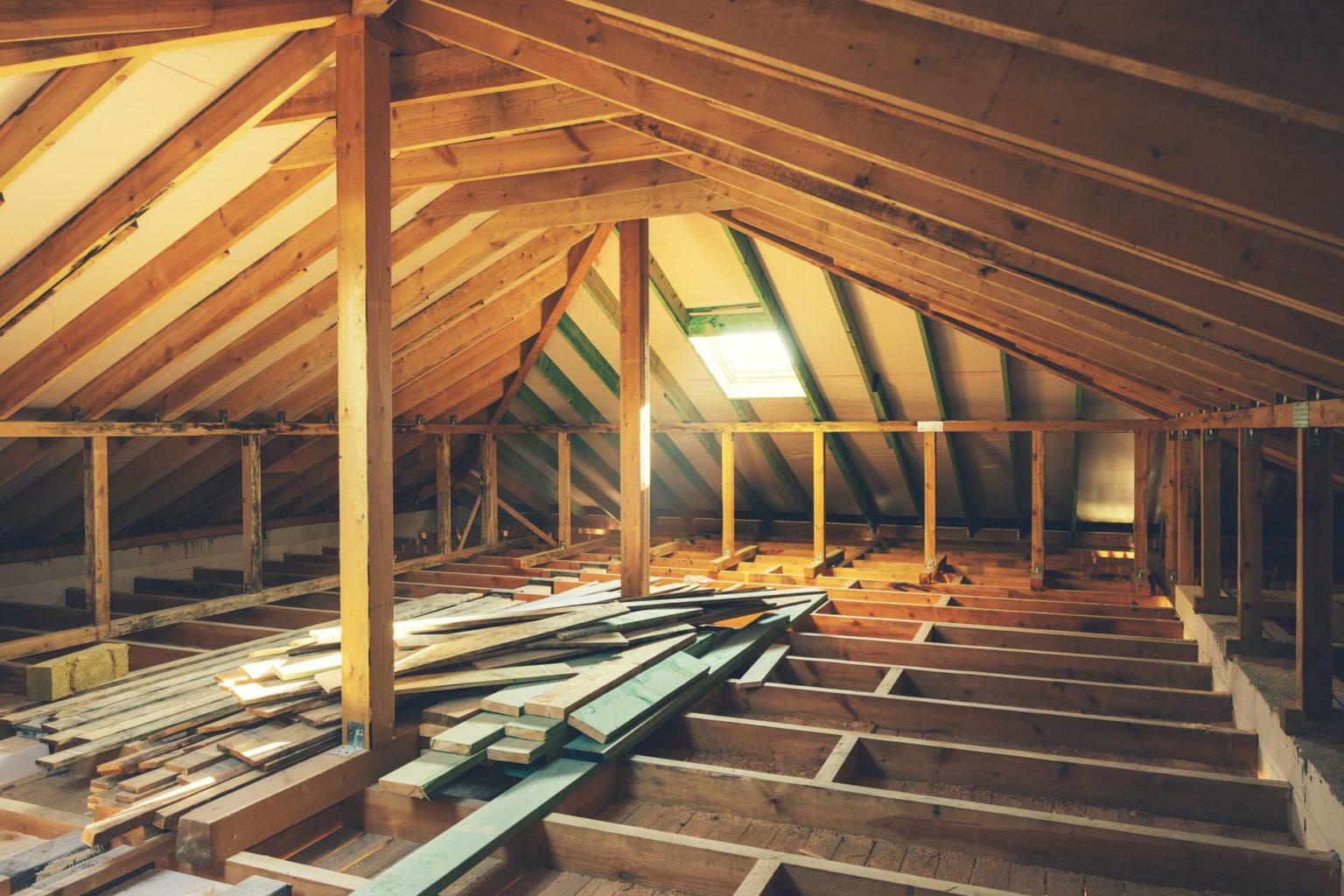
Most homeowners think of the roof as the first line of defense against rain, snow, and sun. What often gets overlooked is the space directly beneath it. The attic plays a major role in how a home handles heat and moisture, and when airflow is poor, the effects can spread well beyond that upper level. Homeowners looking into roofing services provo are often focused on shingles or leaks. Still, attic ventilation deserves just as much attention because it directly affects comfort, energy use, and long term structural performance.
Improper attic airflow creates problems in two directions at once. It can trap excess heat when outdoor temperatures rise, and it can retain moisture when warm indoor air rises and cannot escape. That combination puts strain on roofing materials, insulation, wood framing, and even the rooms below. A roof may appear sound from the outside while hidden airflow issues quietly make the home harder to cool, more vulnerable to condensation, and more expensive to maintain.
Why Attic Airflow Matters More Than People Realize
A well functioning attic is not supposed to feel sealed off and stagnant. It needs balanced intake and exhaust so air can move through the space rather than sit still. When that movement is interrupted, heat and humidity begin to collect.
During warmer periods, the attic can become significantly hotter than the living space below. Without proper ventilation, that heat lingers and radiates downward. Even with insulation in place, rooms below the attic often feel harder to keep comfortable. The cooling system may run longer, indoor temperatures may fluctuate more, and upper floors can become especially difficult to manage.
Moisture is the other side of the problem. Every day, household activities release humidity into the air. Cooking, bathing, laundry, and even normal breathing all add moisture indoors. Some of that warm air rises. If it reaches the attic and gets trapped, condensation can form on cooler surfaces. Over time, that dampness can affect wood, insulation, and roof decking.
The Link Between Poor Airflow and Temperature Imbalance
When attic ventilation is inadequate, heat does not leave the home efficiently. Instead, it builds up beneath the roof, creating a layer of trapped hot air that pushes downward. This can make the entire home feel less stable in temperature, especially in rooms near the ceiling line.
Homeowners often notice the symptoms before they know the cause. A second floor may feel stuffy even when the air conditioner is running. Bedrooms may stay warmer than the rest of the house. Energy bills may rise without any obvious equipment failure. These issues are sometimes blamed solely on insulation, but poor attic airflow is often part of the reason.
Heat buildup can also affect roofing materials themselves. Prolonged high attic temperatures place extra stress on the underside of the roof system. That can contribute to premature aging in certain materials, shorten the life of sealants, and increase wear in areas already exposed to strong sunlight.
How Moisture Gets Trapped Above the Ceiling
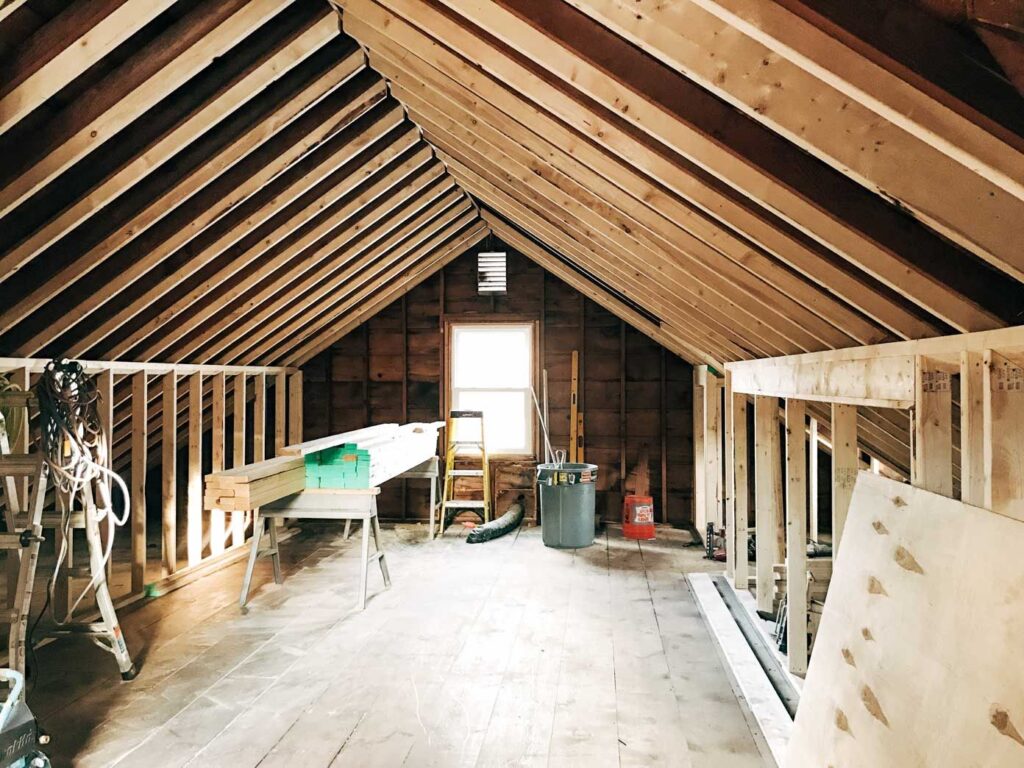
Moisture problems in attics do not always start with a roof leak. In many cases, they begin with condensation. Warm indoor air rises and carries humidity with it. If that moisture reaches a poorly ventilated attic, it has nowhere to go.
Once humidity accumulates, several things can happen. Insulation can become compressed or damp, which reduces its effectiveness. Wood framing may absorb repeated moisture and begin to warp or weaken. Roof decking can develop staining or soft spots. In more persistent cases, mold and mildew can begin to grow in concealed areas.
This is one reason attic conditions matter so much during any roofing evaluation. The visible roofing surface may only tell part of the story. A home can have moisture related damage developing underneath while the shingles still appear relatively normal from the yard.
Warning Signs That Point to Airflow Trouble
Attic ventilation problems often show up in indirect ways. Homeowners may not spend much time in the attic, but the house often reveals clues.
Common signs include rooms that are difficult to keep cool, uneven temperatures between floors, musty smells near the ceiling, and insulation that appears damp or flattened. Some people first notice condensation on nails, dark staining on wood, or a stale, heavy feeling in the attic air. In colder parts of the year, moisture buildup can also contribute to frost inside the attic, which later melts and adds even more water to the space.
Exterior signs can appear too. Roofing materials may wear unevenly, especially where heat buildup is strongest. Persistent moisture can also affect the underside of the roof deck, leading to costly issues if left unchecked.
Why Ventilation Problems Often Get Missed
One reason these issues linger is that they do not always create immediate, dramatic damage. A small leak is easier to recognize than trapped humidity. A missing shingle gets attention faster than an attic that runs too hot. Because the symptoms build gradually, many homeowners adapt to them without realizing the attic is contributing to the problem.
Another reason is that ventilation works as a system. It is not just about adding a vent somewhere on the roof. Intake and exhaust need to work together. Blocking soffit vents with insulation, relying on too little exhaust, or mixing ventilation types without a plan can reduce effectiveness rather than improve it.
That is why a focused inspection matters. A proper evaluation should examine airflow paths, insulation condition, signs of condensation, roof decking condition, and how the attic interacts with the rest of the home.
The Long Term Value of Fixing the Real Issue
Correcting attic airflow problems can help protect more than the attic itself. It can support steadier indoor temperatures, reduce excess strain on heating and cooling equipment, and lower the likelihood of moisture related deterioration. It can also help preserve the roof system by reducing hidden stress from trapped heat and humidity.
For homeowners researching roofing services provo, this is an important reminder that roofing performance is not only about what covers the house from above. It also depends on what is happening underneath. When attic ventilation is working as it should, the home is better positioned to control temperature, manage moisture, and avoid the kind of hidden damage that grows quietly over time.
Conclusion
Improper attic airflow can make a home less comfortable, less efficient, and more vulnerable to damage in ways that are easy to miss at first. Heat buildup affects temperature control. Trapped moisture affects insulation, wood, and roof decking. Left alone, those conditions can shorten the roof’s lifespan and create repair needs that extend beyond the attic.
A roof system performs best when ventilation, insulation, and moisture control are working together. When one part is off, the effects rarely stay isolated. Paying attention to attic airflow early can prevent a long list of bigger problems later.