
Why a Deck Is One of the Best Home Investments
A well-designed and properly built deck consistently ranks among the highest-return home improvement projects in terms of resale value. Beyond the financial return, a deck expands your usable living space, creates an inviting outdoor environment for entertaining and relaxation, and enhances the overall character of your home. But the difference between a deck that delivers on this promise and one that becomes a costly headache comes down almost entirely to the quality of the builder you hire.
How to Find a Qualified Deck Builder
Start with personal referrals from neighbors, friends, or colleagues who have had decks built recently. If possible, visit the finished deck in person — nothing tells you more about craftsmanship quality than seeing the work up close. Online review platforms can supplement personal referrals, but prioritize direct recommendations when available.
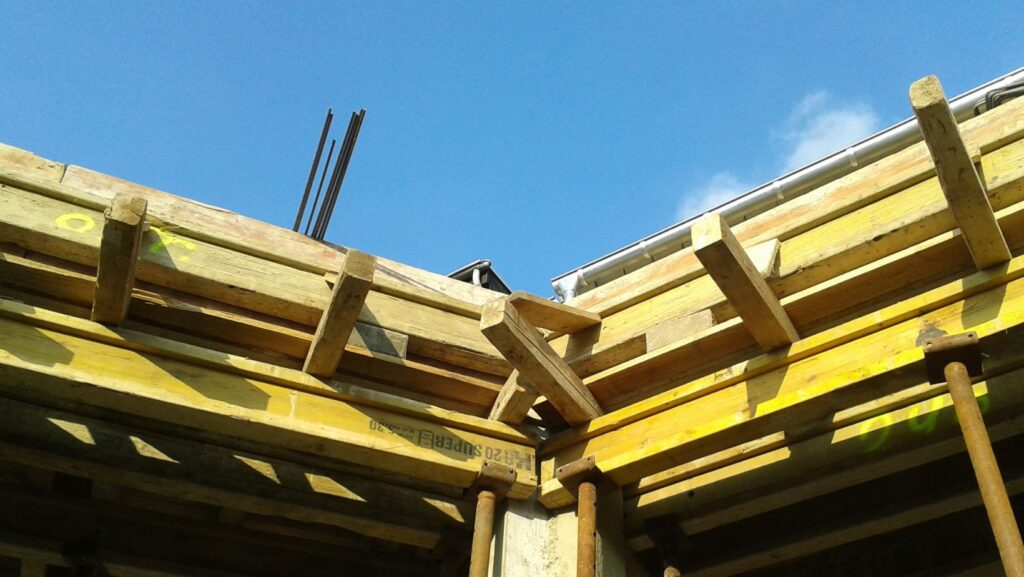
Look for a skilled deck builder with a portfolio of completed projects that reflect quality in the details: uniform board spacing, clean transitions, solid railing systems, and professional finishing.
Credentials, Licensing, and Insurance
Before inviting any contractor to bid on your deck project, verify their credentials. Licensing requirements for deck builders vary by state and municipality, but proper licensing is a baseline requirement. Just as important is insurance — both general liability and workers’ compensation. Deck construction involves working at heights and with power tools, and the risk of accident is real. Without proper insurance, an injury on your property could expose you to significant financial liability.
Permits and Building Code Compliance
In virtually every jurisdiction, deck construction requires a permit and inspection. This is not bureaucratic red tape — it is protection for you. The inspection process ensures that the structural elements of your deck are built to code and safe for use. An unpermitted deck can create serious problems when you sell your home, as buyers and their inspectors will flag it as a liability. Be very wary of any builder who suggests skipping the permit process.
Choosing the Right Materials
Material choice significantly affects cost, maintenance requirements, appearance, and longevity. Pressure-treated lumber is affordable and widely available but requires ongoing maintenance — staining or sealing every few years — to prevent weathering, checking, and rot. Cedar and redwood are naturally resistant to insects and decay and look beautiful; they cost more but hold up better over time. Composite decking eliminates most maintenance concerns and lasts longer, but carries a higher upfront cost. Your builder can help you calculate long-term cost comparisons for each option.
What to Include in the Contract
Before a single board is cut, make sure you have a comprehensive written contract. It should specify the scope of work, the materials to be used (by brand and product where applicable), the dimensions and design of the deck, the permit process, the project timeline, payment milestones, a change order procedure, and warranty terms covering both materials and labor. A deck builder who is reluctant to put details in writing is a builder to avoid.