Varicose veins are a common concern, affecting millions of people and often leading to discomfort and self-consciousness. These twisted, enlarged veins can appear anywhere on the body but are most often seen in the legs. Consulting a qualified vein specialist can help determine the underlying cause and identify the most effective treatment options. Understanding the causes, symptoms, and available treatments empowers individuals to take control of their leg health. This comprehensive guide explores everything from supportive home remedies to advanced medical treatments offered by a vein specialist, all aimed at achieving healthier, more comfortable legs.
Understanding Varicose Veins
Varicose veins occur when veins become enlarged and twisted, often due to increased pressure in the veins. This results from weakened valves that normally keep blood flowing towards the heart, allowing it to pool in the lower extremities.
Causes and Risk Factors
Several factors can contribute to the development of varicose veins:
- Genetics: A family history of varicose veins increases the likelihood of developing them.
- Age: As individuals age, veins lose elasticity, making them more prone to swelling.
- Hormonal Changes: Fluctuations in hormones, particularly during pregnancy or menopause, can weaken vein walls.
- Obesity: Excess weight places additional pressure on the veins in the legs.
- Sedentary Lifestyle: Prolonged periods of sitting or standing can exacerbate circulation problems.
Symptoms and Complications
The symptoms of varicose veins may vary, but typically include:
- Swollen, bulging veins that may appear blue or dark purple.
- Discomfort, heaviness, or aching in the legs, especially after prolonged sitting or standing.
- Skin changes in the affected area, such as discoloration or ulceration in severe cases.
If left untreated, varicose veins can lead to complications such as blood clots or venous ulcers, making it essential to recognize and address symptoms early.
Effective Home Remedies
While medical treatments are effective, certain home remedies can help alleviate symptoms and support healthier veins.
Lifestyle Changes to Alleviate Symptoms
Making some strategic changes in daily activities can significantly impact comfort levels:
- Regular Movement: Incorporating brief walks or leg exercises can aid circulation and reduce swelling.
- Elevating Legs: When resting, elevating the legs can help relieve pressure and improve blood flow.
- Compression Stockings: Wearing compression garments can provide support and enhance circulation, reducing discomfort.
- Avoiding Tight Clothing: Loose-fitting clothes can promote better circulation and minimize pressure on the veins.
Over-the-Counter Treatments
Various products are available to help manage symptoms:
- Pain Relievers: Over-the-counter pain medications such as ibuprofen or acetaminophen can alleviate discomfort.
- Topical Treatments: Creams and ointments designed for circulation problems may provide temporary relief from symptoms.
Medical Treatments for Varicose Veins
For those seeking more permanent solutions, several medical interventions are available.
Minimally Invasive Procedures
Increasingly popular, these procedures can effectively reduce varicose veins with minimal recovery time:
- Laser Therapy: This technique uses focused light to seal off affected veins, which are then reabsorbed by the body.
- Sclerotherapy: In this method, a solution is injected into the vein, causing it to collapse and fade from view.
Preventive Measures for Healthy Legs
Taking proactive measures can significantly reduce the risk of developing varicose veins in the first place.
Importance of Regular Exercise
Regular physical activity boosts overall circulation and strengthens leg muscles. Simple activities such as walking, swimming, and cycling can keep blood flowing efficiently, preventing potential vein issues.
Dietary Recommendations
A healthy diet plays a crucial role in vein health:
- Fluid Intake: Staying hydrated helps maintain optimal blood flow.
- High-Fiber Foods: Foods rich in fiber aid digestion and prevent constipation, reducing pressure on veins.
- Low-Sodium Options: Reducing salt intake can minimize water retention and swelling.
When to Seek Professional Help
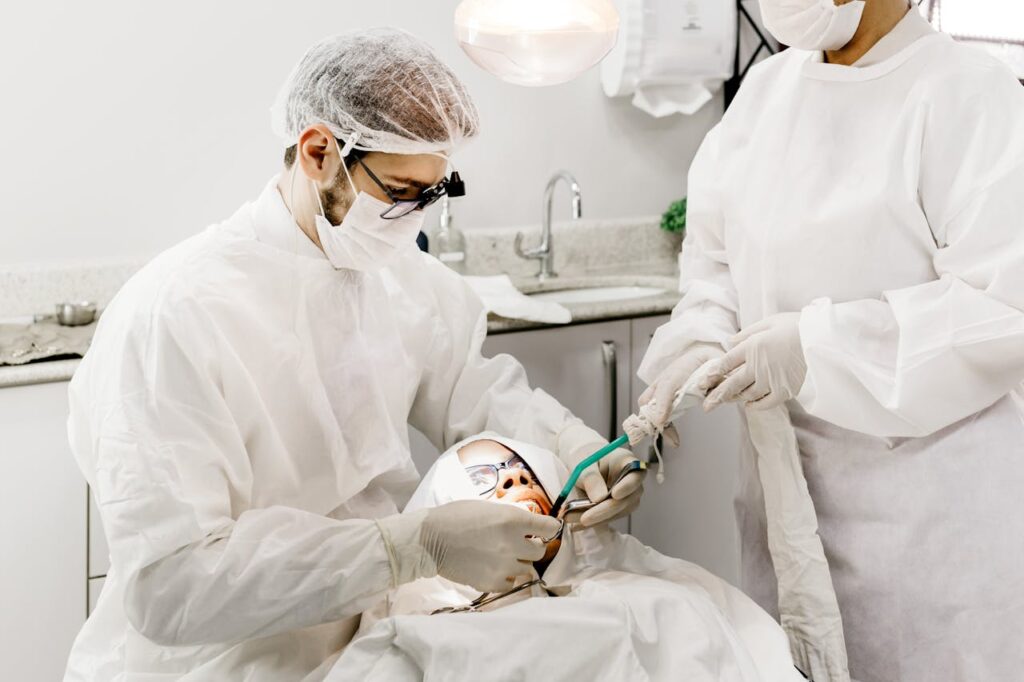
Recognizing when to consult a professional is essential for proper management. Individuals should seek medical advice if they experience significant pain, swelling, or any signs of complications, such as changes in skin color or the formation of sores. Early intervention can prevent more severe problems later on.
Conclusion
Varicose veins can be more than just a cosmetic concern: they often lead to discomfort and health complications. By understanding the causes and symptoms, utilizing effective home remedies, and exploring medical treatment options, individuals can take significant steps toward healthier legs. Being proactive with preventive measures, such as exercise and diet, further empowers individuals to maintain optimal vein health. With the right approach, healthier and more comfortable legs can be achieved.