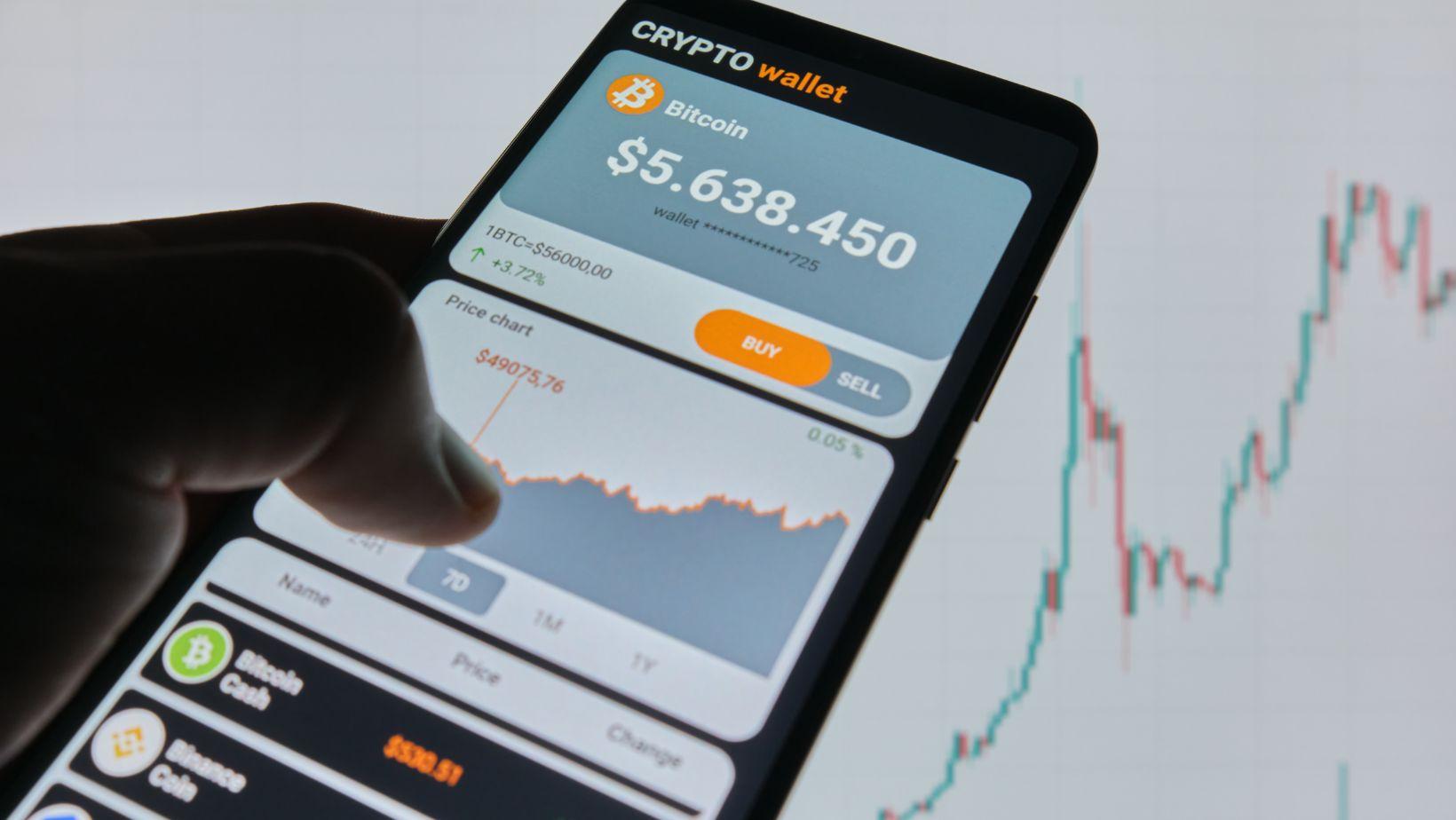
Cryptocurrency wallets were once a niche corner of the tech world, built for a small group of early adopters willing to manage their own private keys. That's no longer the case. As digital assets moved into mainstream finance, the security architecture behind wallets started influencing far more than crypto apps themselves.
Today, the same principles that protect a wallet holding digital coins are showing up in banking apps, gaming platforms, and consumer tools that handle sensitive transactions. This shift isn't accidental. It reflects a broader recognition that single-password, single-device security models simply aren't strong enough anymore.
Multi-Signature Verification Enters Mainstream App Design
Multi-signature authentication, once a specialized feature for institutional crypto custody, has become a baseline expectation for apps handling significant financial activity. Instead of relying on one credential to approve a transaction, multisig systems require multiple independent approvals before funds or data can move. This layered approach means that even if one credential is compromised, an attacker still can't complete an unauthorized action alone.
This model has proven especially useful in high-transaction environments where users expect both speed and protection. Apps that process frequent payments, wagers, or transfers increasingly borrow this logic to reduce fraud exposure. Neobanks authenticate high-value transfers through multi-step approval flows before funds move. Digital investment platforms require secondary confirmation before executing trades above certain thresholds. Gambling solutions sort it out directly — top casino apps handle high transaction volumes with layered authentication and instant processing built in. The takeaway extends well beyond one industry: multisig thinking is becoming a template for any app where a single point of approval simply carries too much risk.
Biometric Encryption Standards Borrowed From Crypto Wallets
Biometric authentication has become one of the clearest examples of crypto security spilling into mainstream mobile design. Wallet providers pushed hard on fingerprint and facial recognition features, and the approach caught on quickly. In fact, roughly 52% of crypto wallet providers introduced biometric authentication tools in 2023, according to a crypto wallet market report, aiming to cut down on unauthorized access.
What matters here isn't just the presence of a fingerprint scanner. It's how these systems work under the hood, binding biometric data to secure, on-device hardware rather than storing it externally. This method keeps sensitive keys protected even if a device is lost or an app is compromised. Fintech and DeFi apps have since adopted nearly identical architecture, using biometrics purely as a gate to unlock locally encrypted credentials.
Decentralized Key Storage Reduces Single Points Of Failure
Perhaps the most significant shift crypto wallets have introduced is decentralized key storage. Rather than keeping a full private key in one location, modern systems split key material across multiple devices or services using multi-party computation. No single point holds enough information to compromise an account on its own.
This approach is scaling fast. The MPC wallet infrastructure market was valued at $1.2 billion in 2024 and is projected to reach $7.6 billion by 2033, based on MPC infrastructure research, reflecting strong demand from exchanges and financial institutions. That same sharded-key logic is now appearing in consumer app recovery flows, delegated account access, and shared-permission tools well outside the crypto space.
Why High-Stakes Apps Are Adopting Wallet-Grade Protections
High-transaction consumer apps face growing pressure to match crypto-grade security, partly due to platform policy and partly due to rising fraud concerns. Digital wallet fraud continues to challenge traditional payment systems, and two-factor authentication paired with biometrics remains one of the strongest defenses available, according to FICO's fraud analysis. App store policies are reinforcing this trend by requiring stronger identity verification for apps handling meaningful financial value.
What This Means For Everyday App Users
For everyday users, these changes are mostly invisible but meaningful. Apps feel a bit more deliberate now, asking for an extra confirmation step or biometric check before completing a sensitive action. That friction, minor as it seems, represents years of security lessons learned in the crypto space being applied more broadly. As mobile transactions keep growing in value and frequency, wallet-grade protections are quickly becoming the new normal rather than the exception.