
There is often a quiet moment when curiosity shifts into something more meaningful. A pause during a walk with a dog, an unexpected glance from a cat, or a feeling that a pet is responding to more than routine cues. Somewhere in that awareness, many people begin to wonder if animals are sharing more than what is visible on the surface. That curiosity can deepen while researching options like animal communicator training online, not as a trend or passing interest, but as a way to explore a more intentional connection with animals. The question then becomes less about whether animals communicate, and more about personal readiness to listen in a new way.
A Strong Sense of Connection With Animals
Some people have always felt drawn to animals, even from a young age. Others notice the connection later in life, often sparked by a particular pet or experience. This connection goes beyond affection. It feels like an ongoing conversation, even without words.
Animals may seem to gravitate toward this kind of person. Strangers’ pets might seek attention, or animals in stressful situations appear calmer in their presence. This is not about control or training techniques. It is more about mutual awareness. When animals feel safe enough to relax, it often signals an ability to tune into subtle emotional cues. Perspectives shared by All Dogs Unleashed also highlight how calm energy, consistency, and body language can influence how animals perceive and respond to people.
Curiosity About What Behavior Is Really Saying
Behavior tells a story, but some people sense that the story is incomplete. Instead of asking how to stop a behavior, the question shifts to why it is happening in the first place.
This curiosity shows up in everyday moments. A dog suddenly becomes withdrawn. A cat avoids a certain room. A horse reacts strongly in a familiar environment. Rather than labeling the behavior as stubborn or difficult, there is a pull to understand the underlying message.
That shift in perspective is often an early sign of readiness. Animal communication training focuses on listening rather than correcting, and curiosity is the foundation of that process.
Emotional Awareness and Empathy
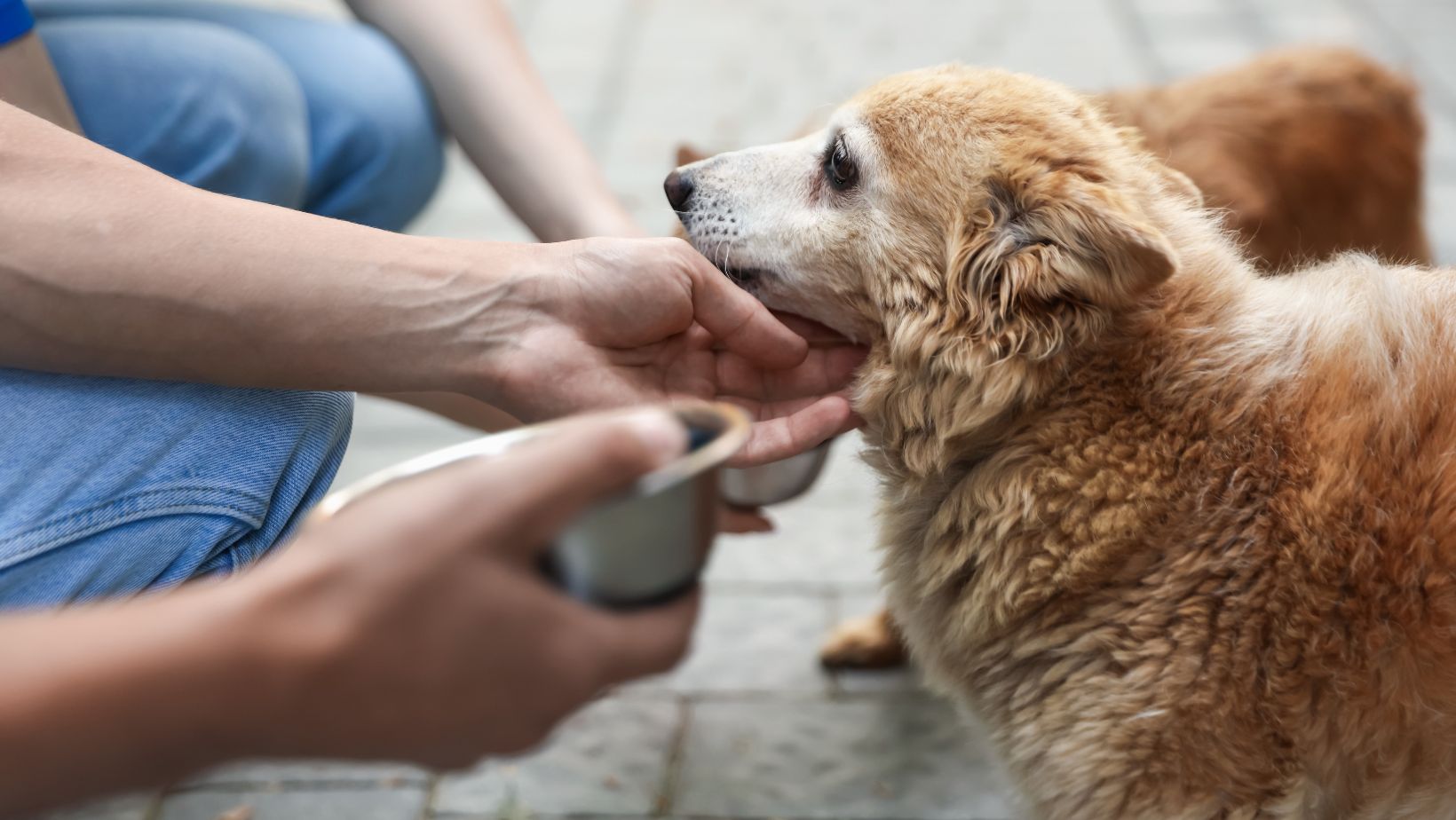
Being emotionally aware does not mean being overly sensitive. It means noticing changes, patterns, and emotional undercurrents, both in animals and in people.
Those who are ready for deeper learning often find themselves naturally empathizing with animals. When a pet seems anxious, the feeling is recognized without judgment. When an animal is playful, that joy feels shared rather than observed from a distance.
Empathy allows space for understanding without rushing to fix things. This quality supports learning animal communication because it creates openness, patience, and trust.
Comfort With Stillness and Observation
Modern life encourages constant movement and noise. Animal communication often requires the opposite.
People who feel drawn to this path usually value quiet moments. Sitting with an animal without needing to touch, talk, or direct them feels natural rather than uncomfortable. Observation becomes interesting instead of boring.
Stillness creates clarity. It allows subtle signals to stand out, such as changes in posture, energy, or attention. Comfort with slowing down is an important sign of readiness, because animals communicate in ways that cannot be rushed.
A Desire for Deeper Trust With Animals
Trust is at the center of any meaningful relationship. With animals, trust grows when they feel heard and respected.
Some people notice that animals begin to behave differently around them. There may be more eye contact, easier cooperation, or a sense of calm during challenging situations. This often happens without conscious effort.
The desire to build this kind of trust, not just with personal pets but with animals in general, points toward readiness for training. It reflects a shift from managing animals to partnering with them.
Questioning Traditional Approaches
Training methods and behavior management tools have their place, but some people begin to feel that something is missing.
This shows up as discomfort with purely correction based approaches. There may be hesitation around methods that focus only on obedience without considering emotional well being. The interest moves toward communication rather than compliance.
Questioning does not mean rejecting everything learned before. It means wanting a fuller picture. Animal communication training adds another layer of understanding that complements practical care and training.
Willingness to Learn and Practice
Interest alone is not enough. Readiness often includes a willingness to learn, practice, and stay consistent.
This kind of training requires patience. Skills develop over time through observation, reflection, and experience. People who are ready understand that growth happens gradually, and they are open to the process.
There is also an understanding that learning does not stop after a course ends. Curiosity remains active, and experiences with animals continue to shape understanding.
Feeling Drawn to Help Animals More Intentionally
For some, the motivation is personal. For others, it expands outward.
This may look like volunteering, supporting animal welfare causes, or simply wanting to show up differently for animals in everyday life. There is a sense that listening more deeply could make a meaningful difference.
Helping does not always mean fixing problems. Sometimes it means offering understanding, comfort, or presence. Animal communication training aligns with this mindset by emphasizing respect and collaboration.
Comfort With Personal Growth
Learning to communicate with animals often leads to unexpected personal insights. Emotions, beliefs, and habits come into focus through the learning process.
People who are ready tend to be open to this growth. They recognize that developing new skills can challenge assumptions and encourage self reflection. This openness supports learning and keeps the experience grounded.
Growth does not mean perfection. It means staying curious, adaptable, and honest throughout the process.
Trusting Inner Awareness
Many people who explore this path describe a strong intuitive sense, even if they do not label it that way.
This might show up as gut feelings, emotional impressions, or moments of knowing without clear explanation. While intuition can feel uncertain at first, readiness includes a willingness to explore and refine this awareness responsibly.
Training provides structure and guidance, helping intuitive impressions become clearer and more reliable. Trusting inner awareness while staying grounded is a balance that develops over time.
Knowing When Curiosity Is More Than a Phase
Interest can come and go, but readiness feels steady.
There is a sense that this path aligns with personal values and interests. Questions about animal communication keep returning, even after distractions or busy periods. Learning feels purposeful rather than impulsive.
This consistency often signals that curiosity has matured into commitment, making training a meaningful next step.
Moving Forward With Clarity
Readiness for animal communication training does not require special abilities or a specific background. It grows from curiosity, empathy, patience, and a genuine desire to listen.
When animals begin to feel less like puzzles to solve and more like individuals to understand, something shifts. The relationship becomes more intentional, more respectful, and more rewarding.
For those who recognize these signs, exploring training can feel like a natural extension of an already existing connection. It is less about becoming something new, and more about developing skills that allow animals to be heard in ways they have always been communicating.