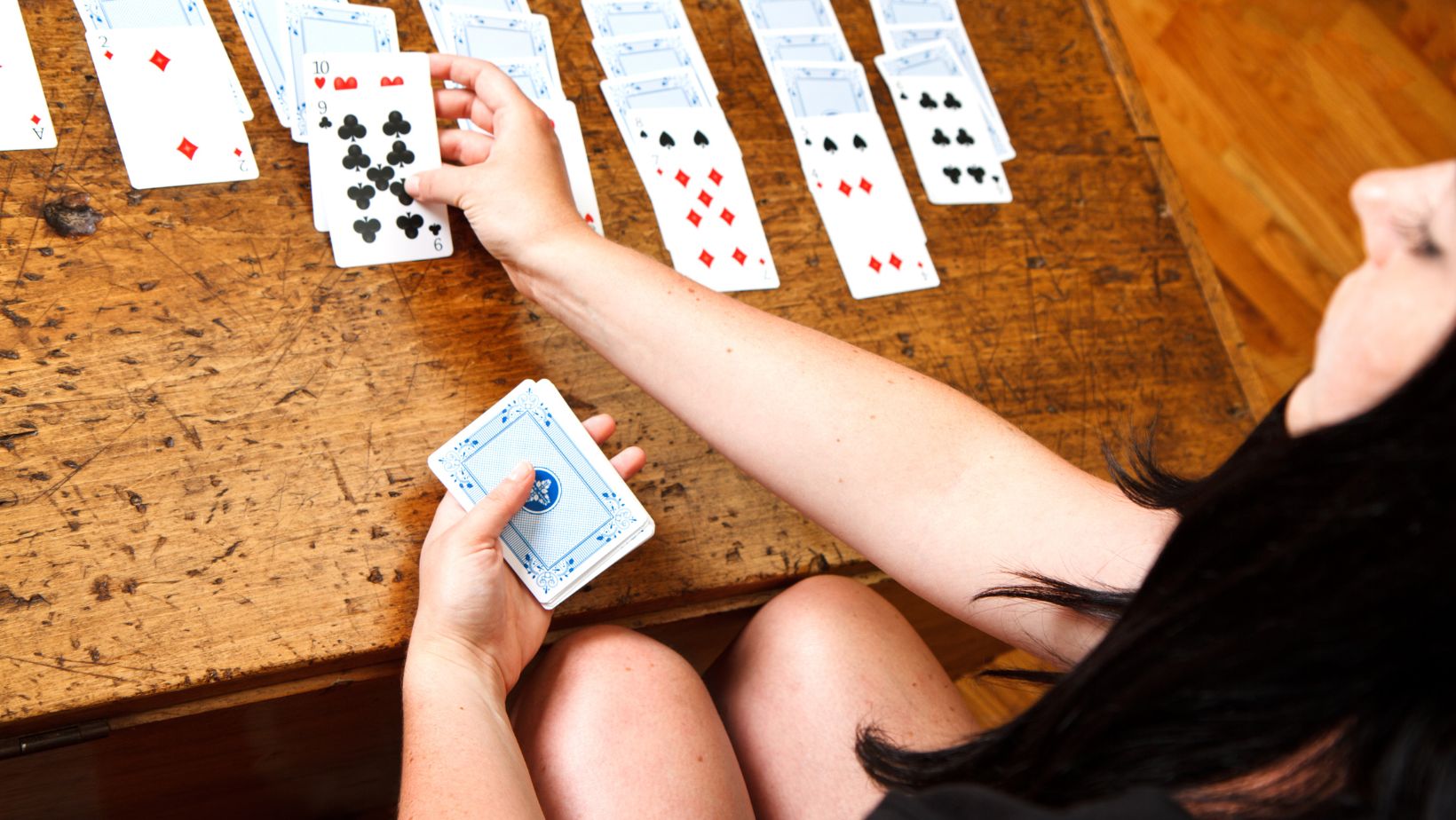
Few card games feel as familiar or quietly challenging as a single deck laid across the table. Many people start a round expecting an easy win, then stall halfway through the board. Small choices shape every outcome. One rushed move can close off future options. This guide explains how a better strategy improves results. It focuses on awareness, patience, and structure rather than luck. Each section breaks down a habit that supports smarter play. The aim is simple. Help players slow down, think ahead, and enjoy more satisfying rounds.
Many players approach games like Solitaire casually, without realizing how much strategy influences success. Learning a few core principles helps the game feel more controlled and less dependent on chance.
Learn The Board Before Making Moves
Strong play begins with observation. The board tells a story before the first move happens. Card colors, column depth, and hidden cards all matter. Rushing to move visible cards usually leads to dead ends. Taking a moment to scan the entire layout creates clarity. This pause helps players spot future opportunities. Awareness at the start shapes every decision that follows. A calm review supports better sequencing and reduces early mistakes that limit progress later.
Reveal Hidden Cards With Purpose
Face-down cards restrict options. Revealing them should stay a priority throughout the game. Moves that uncover hidden cards expand flexibility and improve planning. Clearing columns or shifting stacks to expose new information typically matters more than quick foundation progress. Each revealed card changes the board’s possibilities. This approach keeps momentum steady. Information becomes the real reward. Players who focus on uncovering cards gain more control and avoid unnecessary stalls during later stages.
Balance Foundation Progress Carefully
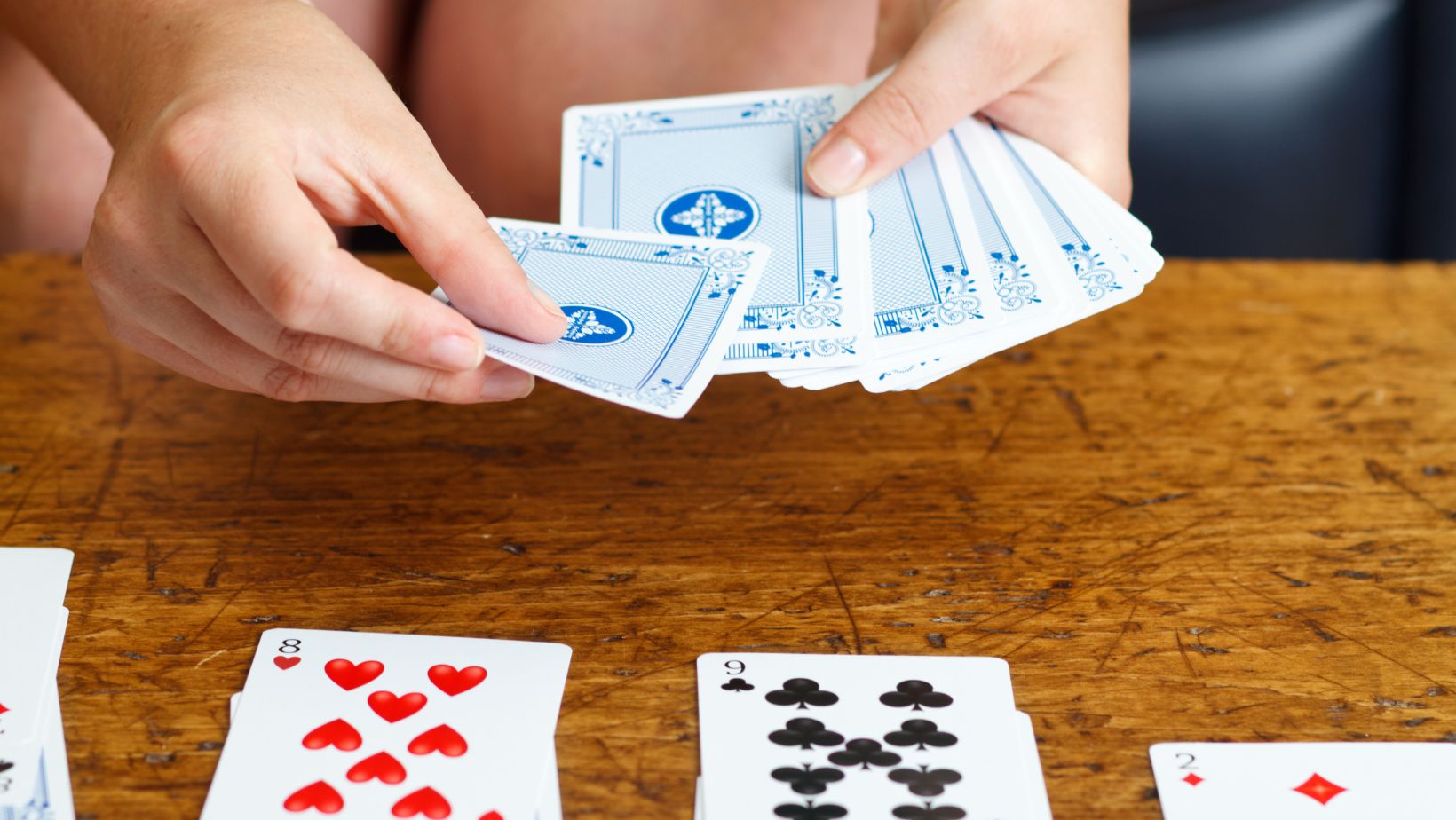
Moving cards to the foundation feels like success. Yet early foundation moves can block useful combinations. Cards still needed for tableau movement may disappear too soon. Balance matters more than speed. Players should ask whether a card supports the current board flow before moving it away. Holding back certain cards preserves options. Thoughtful restraint often leads to better outcomes. Strategic balance keeps the game flexible rather than forcing narrow paths toward completion.
Use Empty Columns As Strategic Tools
Empty columns offer freedom, but timing matters. Clearing a column creates space for movement and reorganization. That space allows deeper rearrangement and better access to buried cards. Placing the wrong card too early limits that benefit. Kings work best in empty columns, though patience still applies. Strategic use of space improves control. Players who treat empty columns as tools, not shortcuts, manage the board with greater confidence.
Build A Consistent Decision Routine
Consistency improves decision quality. Strong players follow the same review process each turn. Scanning columns, checking hidden cards, and reviewing foundation options prevent missed opportunities. Routine slows impulsive choices. It also builds discipline. Over time, this habit improves outcomes without extra effort. Many experienced players rely on structure rather than instinct. This steady approach works especially well in card games like Solitaire, where patience and sequencing matter more than speed.
Watch For Common Strategic Mistakes
Even experienced players fall into predictable traps. Recognizing them reduces frustration and improves results.
Common mistakes include:
- Moving cards to the foundation too early
- Ignoring cards in favor of visible moves
- Filling empty columns without a clear plan
Avoiding these habits keeps options open. Awareness of mistakes helps players reset quickly and maintain steady progress through difficult boards.
Improving play comes from steady habits, not shortcuts. Observation sets direction. Revealing cards expands options. Balanced foundation moves protect flexibility. Empty columns create control. Consistent routines reduce errors. Awareness of common mistakes supports smoother progress. With these strategies in place, each round feels more intentional. The game rewards patience and foresight. Over time, smarter play leads to more completed boards and a calmer, more satisfying experience at the table.