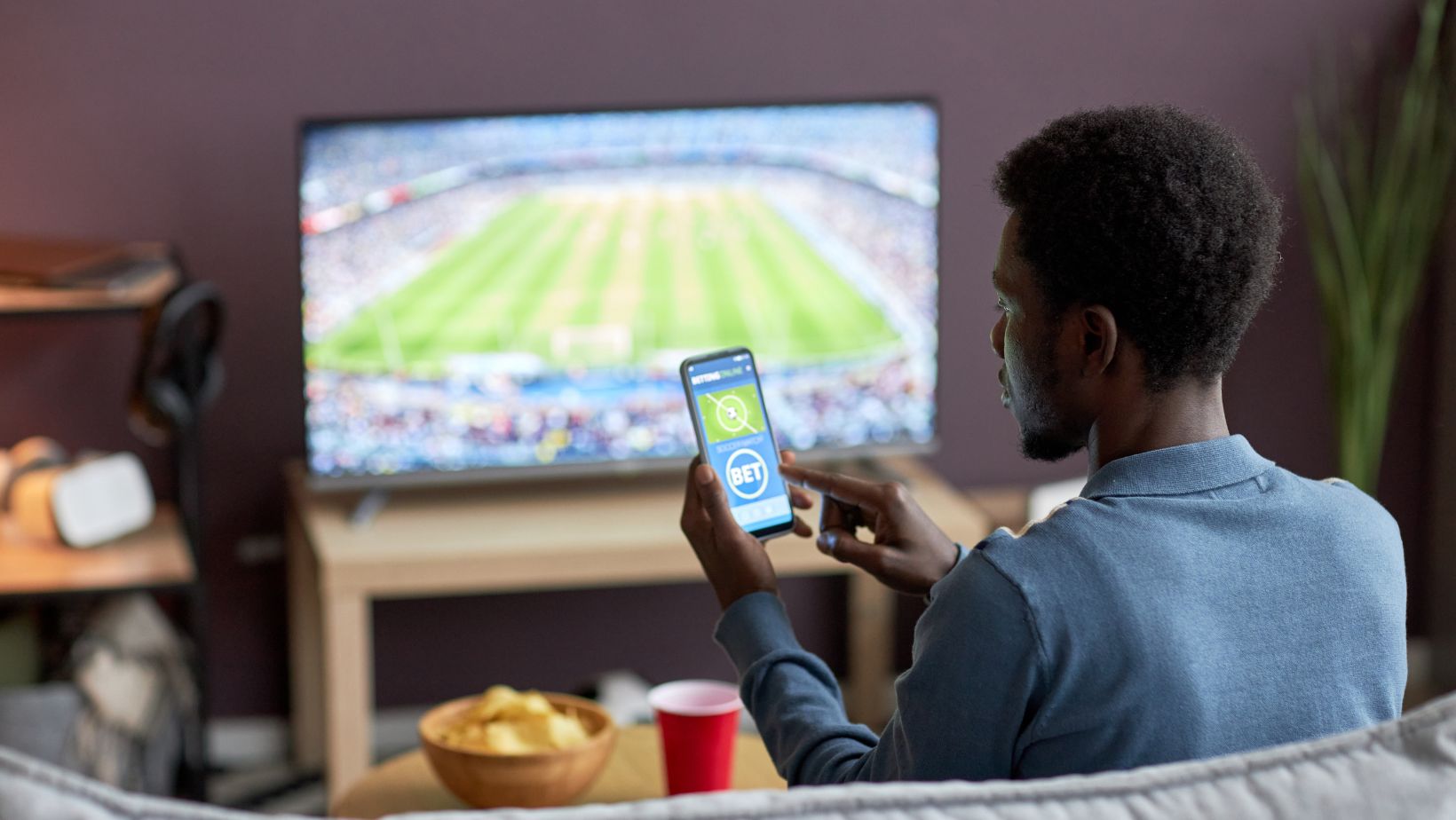
Sports fandom doesn’t look the way it used to. Not because people care less, but because the way they use screens has changed. Very few fans now sit down with the intention of watching every minute of a game from start to finish. Games get opened late, closed early, muted, paused, and picked up again later. Following sports has started to resemble how people consume everything else online.
A lot of fans first encounter a game through a moment rather than a schedule. A big play shows up in a clip. A bad call sparks an argument. A late score turns into a wave of reactions before the broadcast even catches up. By the time someone switches the game on, the context is already there.
Moments pull people in
Instead of planning around kickoff times, many fans let the game come to them. If something interesting happens, it finds its way onto their screen. If nothing does, the game stays in the background. Attention follows momentum, not tradition.
This doesn’t mean fans are passive. In many cases, they’re more informed than before. They know the storylines. They track players. They understand what’s at stake. They just don’t experience it all in one continuous block.
Watching while doing something else
Live games are rarely the only thing happening. Phones stay open. Group chats run alongside the broadcast. Social feeds update faster than the commentary. Fans look up for key moments and drift away during quieter stretches. Timeouts and reviews turn into scrolling breaks. Because of that, the game becomes one layer of a wider experience. It’s still central, but it’s no longer isolated.
One of the things that found a natural place in this kind of fandom is online sports betting. For some fans, checking odds or placing a small live bet gives shape to fragmented viewing. It creates a reason to focus on a drive or a sequence, even if the full game isn’t being watched closely. Betting doesn’t replace following the sport, but it fits into a pattern where engagement comes in short bursts.
Attention is selective, not absent
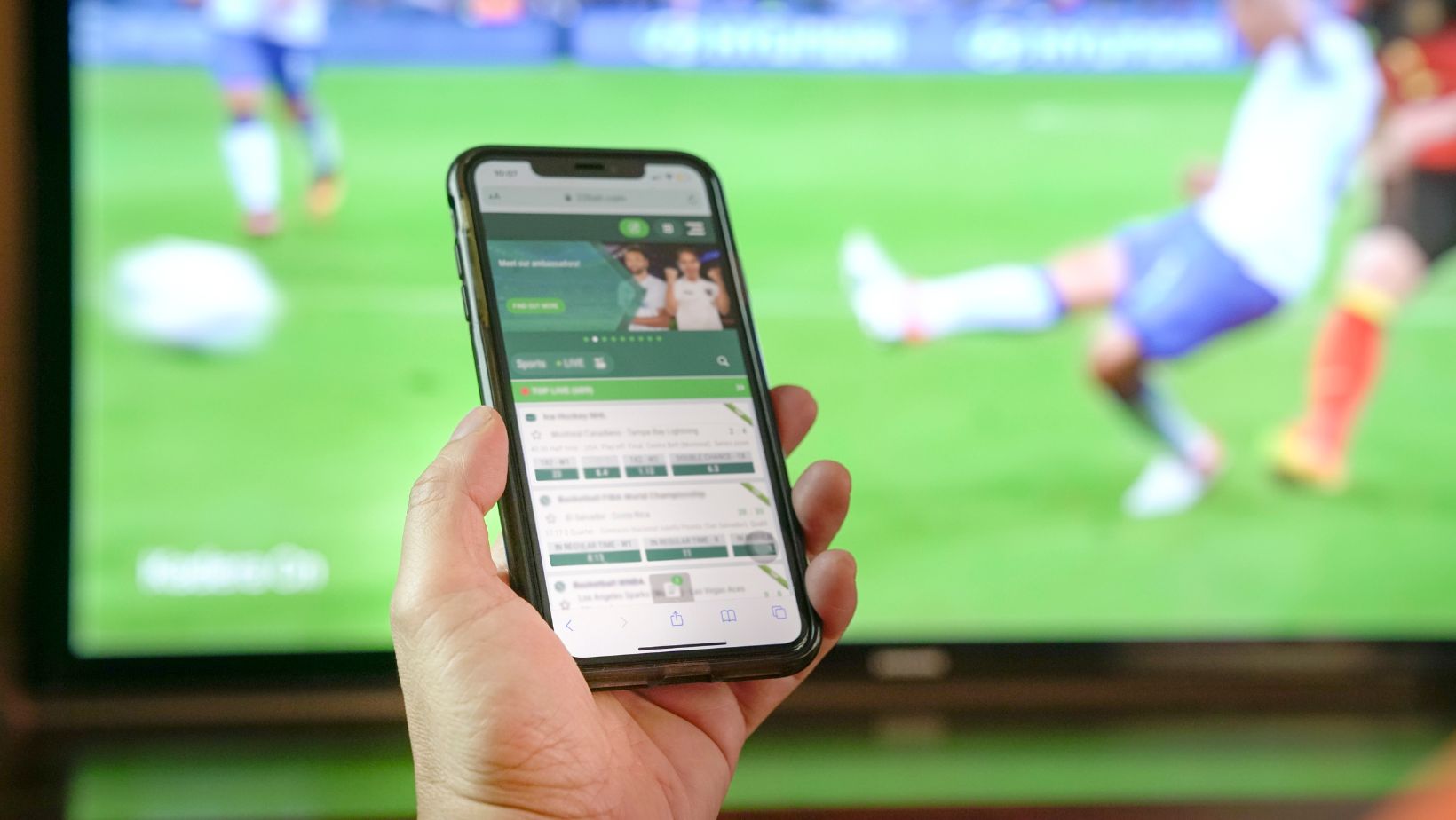
Shorter attention doesn’t mean weaker interest. It means attention is used more selectively. Fans care deeply about specific moments, players, and outcomes. This may cause them to miss long stretches of play, but it does not necessarily mean they miss something. In fact, seeing the same moment replayed, clipped, and discussed across platforms often reinforces its importance more than watching it once in real time.
Broadcasts have adjusted in subtle ways. Graphics are clearer. Replays are quicker. Commentary assumes viewers may be dropping in mid-game. Highlights are framed to stand on their own, not just to make sense within the full broadcast. Even how moments are presented feels different now. Celebrations, reactions, and controversy matter because they travel well beyond the live audience.
Fans still identify strongly with teams and rivalries. That hasn’t disappeared. What’s changed is how that loyalty shows up. It’s less about uninterrupted viewing and more about constant awareness. Fans dip in and out, but they stay connected. Sports haven’t shrunk in this environment. They’ve adjusted to it. In a world built around interruptions, the ability to hold attention in moments may be what keeps fandom alive.