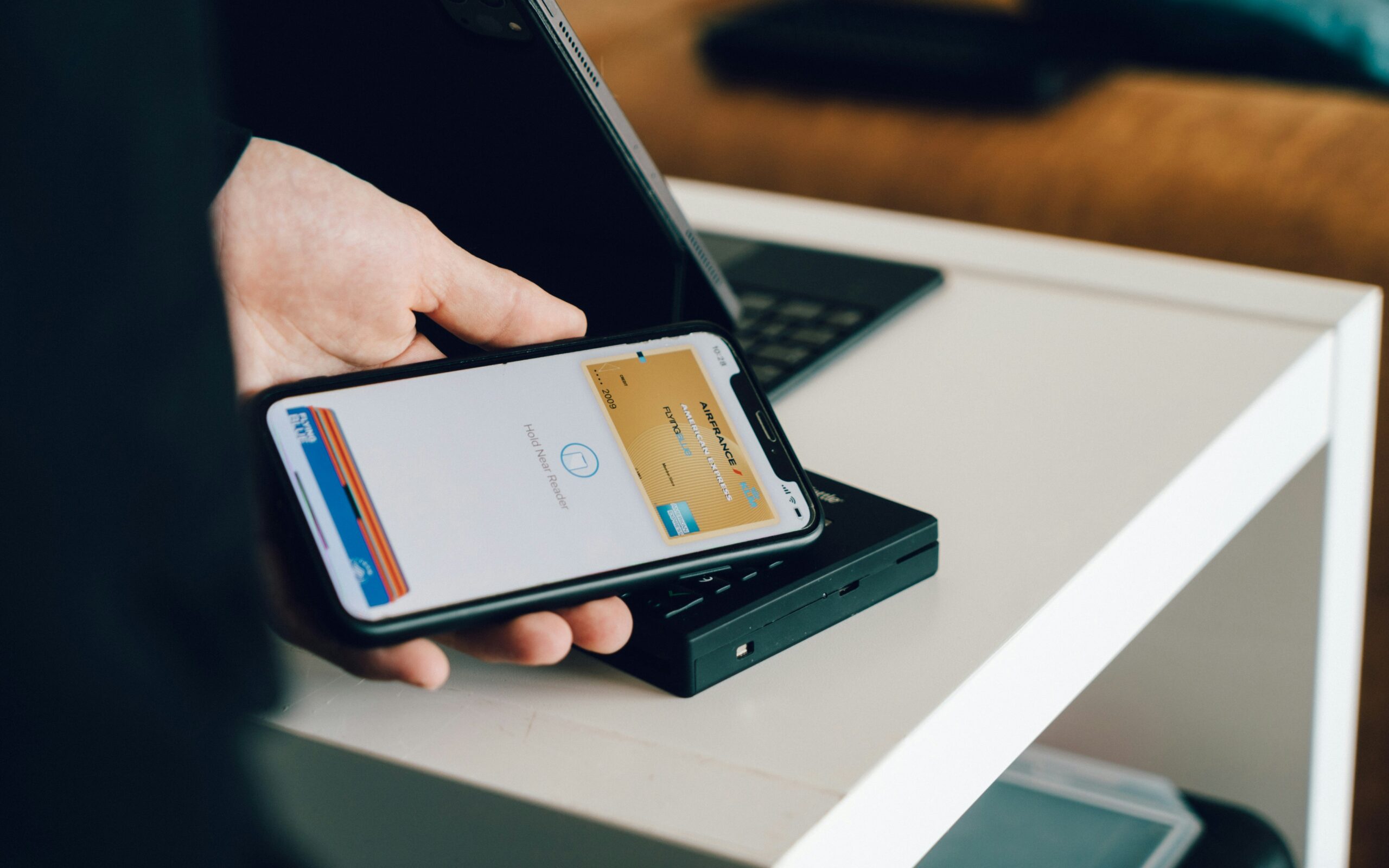
The world has officially entered a digital age where physical carriers and counterparts are no longer sufficient. This is especially true where finances are concerned, with many individuals opting for faster, more convenient ways to manage funds. In turn, digital wallets have become the new command center for financial oversight, providing users with features that traditional banking apps cannot compete with.
However, responsible usage is about more than just preventing theft; rather, it is a reflection of someone’s habits, judgment, and awareness. There is a certain criterion that needs to be met when it comes to responsible wallet management before a user can achieve true financial control.
The Foundation: Choosing Your Financial Command Center
The first step to establishing financial control is laying a good foundation, which in this case, means selecting a good wallet. Ultimately, this decision can make or break how your funds are managed, which is why a poor choice here can prove detrimental. As such, there are a couple of factors to consider when choosing a reliable option, and the first lies in the security architecture. These heavily depend on what the wallet will be used for. If it is just to store banking information, then ensure there is biometric access and (at the very least) 2FA (Two Factor Authentication). With crypto wallets, this can become a bit more complex.
For example, the best bitcoin wallet 2025 will usually have top-notch security, fuelled by reputable digital infrastructure companies. They meet institutional security standards, which guarantees encrypted cloud backups and secure account sign-ons. Most importantly, independently audited app security and protection through MPC key-share technology are non-negotiables. In terms of practicality, a good UX is absolutely crucial. If an app is not easy to navigate or constantly glitches, it poses a major security vulnerability, increasing the chance of user error.
Habit Stacking: The Power of Routine in Financial Awareness
To build financial awareness, it will require a user to actively make an effort and remain consistent. The goal is to establish healthy financial habits, and the only way to do this is by aiming to set up subconscious routines. One way of doing this is by linking your wallet interactions with other daily routines, which can make for effortless awareness of your funds. You could start by establishing an end-of-day ritual where you review all your spending for the day.
Think of this as a financial reconciliation of sorts, wherein checking recent transactions and balances or removing unnecessary signatures/permissions will become second nature. It’s the equivalent of running daily diagnostics on your computer to ensure everything is in order. In turn, you have fulfilled the first step in actively managing your funds, instead of passively. By tracking your digital logs and transactions, planning your budget will become that much easier. Since you are aware of the amount of money in your account at any given point, it can also make it easier to decide which expenses take priority.
Do you want to buy that expensive Starbucks coffee, or would it be smarter to get your own Nespresso machine and make your own drinks? Friction is also reduced through these actions, as daily financial audits can remove irresponsible spending. This could manifest in you prioritising your core expenses over getting that luxury watch or make-up brand you have been eyeing. Even just creating two separate wallets for personal and professional use can make a huge difference, especially if both are being reviewed each day.
Small expenses at work, such as buying lunch or getting an Uber Black instead of the standard version, will eventually catch up to you. Being aware of your financial status at all times can lead to smarter, long-term choices and help you avoid blind spending. To build good muscle memory for fiscal responsibility, it requires consistent daily training and a slow buildup of good habits. You’ll end up thanking yourself later on when you can avoid a stressful financial overhaul or finally make a guilt-free luxury purchase.
Judgment: Contextualizing Every Transaction
Impulse and action are always going to be your two biggest opponents when it comes to overseeing your digital wallet. This is where judgment plays a crucial role, as you want to establish your opinion on your money as the most accurate and authoritative. Unfortunately, everyone has fallen victim to impulse spending at least once, which is why a good method to use is the 3-Second Rule. It is perfect for combating impulse spending, forcing you to actually take a step back and think about what you’re about to pay for. When encountering a potential expense that isn’t in your budget (takeout, drinks, leisure), you want to allow yourself a moment to pause.
Take three seconds to think about the decision, and ask yourself if this expense is necessary. Does it align with your current financial goals? Do you have the financial capacity to splurge right now? Those few seconds of pause can quickly take away your urge to spend blindly, and ensure that when you do make an impulse purchase, you can actually afford it. In these three seconds, it also helps to refrain from taking your phone out to physically make a payment. Tapping your phone is instant, which can make it easier for you to just pay and go, further proving why you want to stall that physical connection. The same is true for online purchases.
Granting access is another opportunity for your judgment to falter, as digital wallets can be linked to a series of online retailers and other shopping apps. As such, you don’t want to ever save your wallet as a default payment option on Uber Eats, Amazon, and similar apps. It leans into the idea of instant payments. Basically, you can easily just tap “Pay Now” without a second to think about your financial goals, and later have to deal with the consequences. Use the “Why Now?” method to ensure you’re making the right call by always asking why you need to approve or grant an app permission to your wallet. You ultimately want to eliminate any financial drag from your budget, which can be done with intentional spending/asset management.

Awareness: Seeing the Full Ecosystem
Once you are familiar with the contents of your wallet and know when and where to spend, you can get comfortable looking at the ecosystem as a whole. This ties in with achieving true financial awareness, as you can constantly assess the environment surrounding your wallet. Especially in a digital era, it is important to keep track of new social engineering vectors that might target your funds. In turn, you end up successfully building a robust early warning system by training yourself to be hyper-aware of your finances. As such, when it comes to minor oversights, major breaches, or financial loss, you already have measures in place for rapid mitigation.
Conclusion
Responsible wallet use is not just about keeping malicious parties out, but also ensuring you are not your own enemy. Putting up the pillars of Habit, Judgment, and Awareness is going to be an integrated practice, but one thing is guaranteed: it will give you long-term financial autonomy and control.